
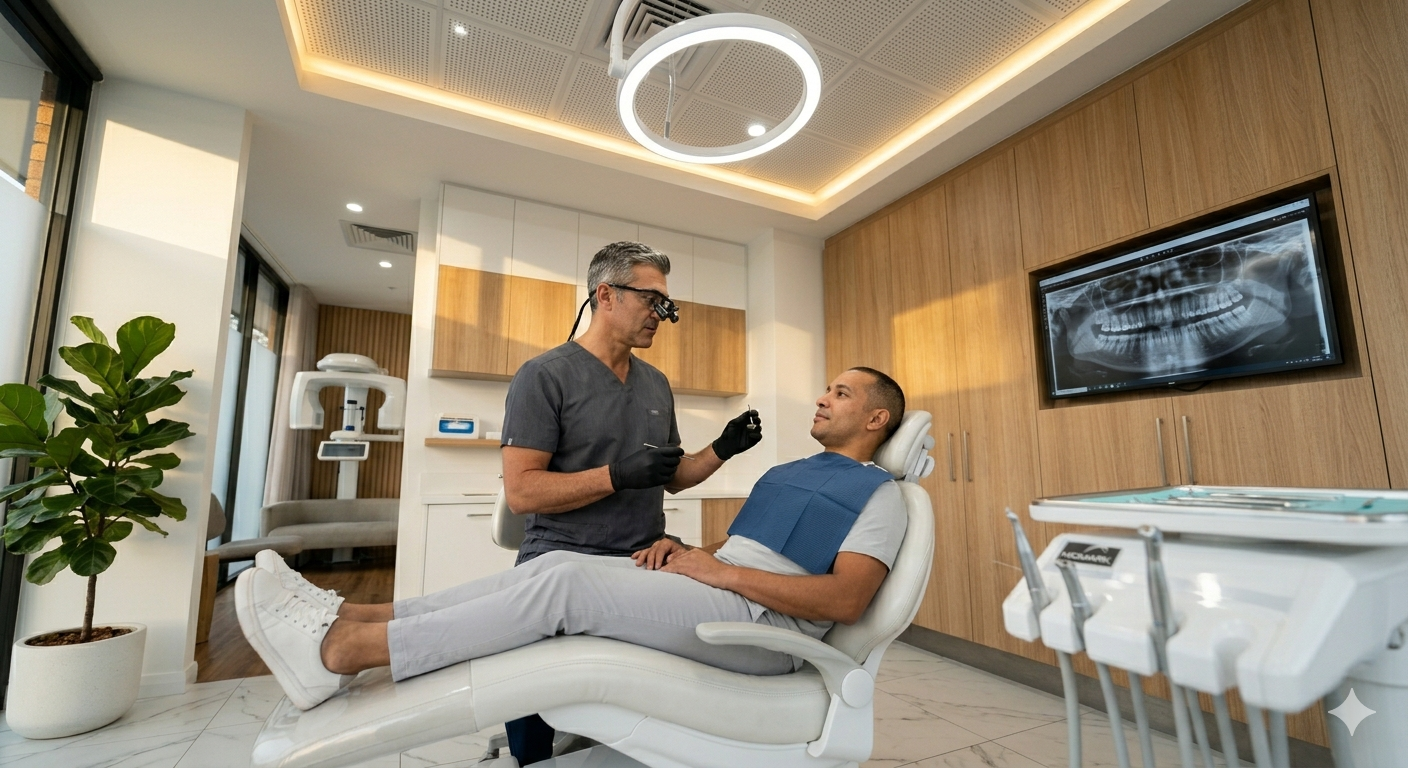
When a dental emergency strikes in Brooklyn, knowing where to turn quickly can make all the difference. An emergency dentist in Brooklyn, NY, is specially equipped to handle urgent issues like severe tooth pain, broken teeth, or sudden swelling with prompt care and relief. They offer flexible hours and same-day appointments to address these problems without delay.
People often worry about the cost and comfort during emergency visits, but many Brooklyn clinics focus on easing pain and providing gentle treatment options. Whether it’s a knocked-out tooth or a painful abscess, these dentists use modern technology to get patients back to feeling normal as soon as possible.
If a dental emergency happens, it’s important not to wait or try to self-treat serious problems. Reaching out to an experienced emergency dentist ensures the best outcome and peace of mind during stressful moments.
It can be hard to know exactly when a dental issue requires urgent care. Some symptoms clearly need immediate attention, while others might be less serious. Understanding the signs helps patients take the right action quickly and avoid worsening problems.
Severe tooth pain that won’t ease with over-the-counter medication is often a red flag. Swelling around the gums or face may indicate infection or an abscess that needs prompt treatment. Bleeding that doesn’t stop after 15 minutes, especially after trauma, also requires urgent care.
Other common signs include a knocked-out tooth, loose or broken teeth, and sudden sensitivity to hot or cold that doesn’t go away. Difficulty opening the mouth or swallowing can point to a serious issue, too, especially if accompanied by fever.
Immediate dental care is crucial if a tooth is completely knocked out. The patient should rinse it gently without scrubbing, try to place it back in the socket, or keep it in milk until reaching a dentist. Uncontrolled bleeding after trauma or intense pain not relieved by painkillers also demands fast attention.
If there is swelling spreading to the neck or deteriorating difficulty breathing, this signals a medical emergency. Patients with broken braces or wires causing injury inside the mouth should visit an emergency dentist promptly to prevent further damage or infection.
A lost filling or crown is uncomfortable but not always an emergency. These can usually wait a day or two for a dental visit. Mild toothache often benefits from home care like saltwater rinses and cold compresses, unless it worsens rapidly.
In contrast, chipped or cracked teeth that expose the nerve require quicker treatment to avoid infection or permanent damage. Minor bruising or soreness following dental work is normal and typically not urgent. Knowing these differences helps patients stay calm and seek care appropriately.
Knowing how to react quickly and calmly can make a big difference when dental emergencies happen. Taking the right first aid measures preserves your teeth and helps manage pain until professional care is available.
When tooth pain strikes, rinsing the mouth with warm salt water can reduce swelling and clean the area. Avoid placing heat or cold directly on the cheek, but a cold compress outside the mouth can help ease pain.
If the pain is sharp or persistent, gently floss around the tooth to remove any stuck food causing irritation. Over-the-counter pain relievers like ibuprofen can reduce inflammation but avoid aspirin directly on the gums.
Avoid chewing on the painful side, and if swelling or fever develops, seek dental care promptly to prevent worsening infection.
A knocked-out tooth is a dental emergency that requires swift action to improve the chance of saving it. Hold the tooth by the crown (top part), not the root.
If dirty, rinse the tooth gently with water or milk—do not scrub or use soap. The best preservation fluids are milk, saline, or saliva. Avoid letting the tooth dry out.
Try putting the tooth back in its socket carefully. If that’s not possible, place it in a container with milk or keep it in the mouth between the cheek and gums while heading to the emergency dentist.
For a broken or chipped tooth, first rinse the mouth gently with warm water to clean the area. Use a cold compress outside the cheek to reduce swelling and relieve pain.
Save any broken pieces of the tooth and bring them to the dentist. Avoid biting down or chewing with the affected tooth to prevent further damage.
If there is bleeding, apply gentle pressure with clean gauze. Persistent pain or sharp edges should be attended to quickly to protect the tooth and surrounding tissues.
When someone visits an emergency dentist in Brooklyn, they can expect a focused process designed to quickly identify the problem and relieve discomfort. The staff prioritizes patient comfort and uses specialized tools to diagnose issues accurately. Immediate relief options are discussed and applied depending on the injury or pain.
Upon arrival, the dentist or assistant will conduct a quick but thorough assessment. This usually starts with questions about the pain level, cause of the emergency, and any prior dental work. They carefully check the mouth for visible damage, swelling, or bleeding.
Patient comfort is a priority from the start. The dental team often offers pain relief methods such as ice packs or topical anesthetics to ease discomfort before treatment begins. Staff members explain each step clearly. This helps reduce anxiety and makes it easier for patients to cooperate during the visit.
After calming any immediate pain, the dentist uses diagnostic tools to pinpoint the issue. This commonly includes digital X-rays to detect fractures, infections, or impacted teeth that are not visible during the initial exam.
The dentist may also use intraoral cameras for a close-up look inside the mouth. These images help explain the problem and guide treatment decisions. For tooth infections, sometimes a pulp vitality test is done to assess nerve health. These techniques help provide an accurate diagnosis for targeted care.
Pain relief in emergency dental care varies based on the problem’s severity. For minor injuries, over-the-counter painkillers and ice packs might be recommended. If the pain is more severe, the dentist can administer local anesthetics to numb the area during treatment.
In cases like abscesses or infections, antibiotics may be prescribed. The dentist might also perform procedures such as draining an abscess or stabilizing a broken tooth to reduce pain promptly. These immediate actions help patients feel more comfortable and prevent further complications.
Emergency dental care in Brooklyn now offers a variety of fast, effective treatments to relieve pain and repair damage. These options focus on both immediate relief and long-lasting repair, depending on the severity of the problem.
When patients face sudden dental pain or injury, dentists often start with temporary fixes to ease discomfort quickly. These can include dental dressings, temporary crowns, or sealing exposed nerves to protect sensitive areas until a permanent treatment is possible.
Once the situation is stable, permanent solutions come into play. These range from fillings to crowns or even root canal therapy. Dentists select materials that blend with natural teeth while restoring function. Using clear communication, they explain whether a patient’s condition requires just a short-term patch or a more durable fix to restore full health and comfort.
Restorative dentistry addresses damage from cracks, chips, or tooth loss caused by trauma or sudden decay. For fractured teeth, bonding with composite resin is a quick, painless option that rebuilds tooth structure and appearance.
More severe damage might require crowns or bridges. Crowns cover and protect damaged teeth, preventing further breakdown. Bridges replace one or more missing teeth by anchoring to adjacent healthy teeth for stability. Both options are designed for strength and durability, allowing patients to eat and speak comfortably soon after treatment.
Infections and abscesses require immediate attention to prevent serious complications. Dentists diagnose these issues using clinical exams and, if needed, X-rays to determine the extent of infection.
Treatment typically involves draining the abscess and prescribing antibiotics to control infection. In many cases, root canal therapy follows to remove infected tissue inside the tooth. If the damage is too extensive, extraction may be necessary. Throughout, the priority is controlling pain and stopping the spread of infection while easing patient anxiety with caring support.
Finding a dependable emergency dentist involves looking at factors beyond just location. Patients need to weigh qualities like experience, availability, and payment options to ensure quick and effective care without extra stress.
A reliable emergency dentist in Brooklyn should offer prompt response times and flexible hours, including evenings and weekends. This ensures patients won’t have to wait long for urgent care.
Expertise is crucial. Dentists trained in emergency procedures for toothaches, broken teeth, or abscesses provide both relief and long-term solutions. Friendly staff who ease anxiety can also make a big difference during stressful visits.
Look for modern facilities equipped with advanced technology for accurate diagnosis and treatment. Clear communication about treatment plans and costs helps build trust and removes uncertainty.
When needing urgent dental care, proximity is important but should be balanced with quality. Online tools and local dental directories can help locate emergency dentists near one’s Brooklyn neighborhood quickly.
Many practices offer 24/7 phone lines or online booking, which is essential for immediate assistance. Checking reviews and calling ahead can confirm wait times and specific emergency services available.
Some dentists specialize in certain emergencies, so knowing the type of care required beforehand can streamline the search. It’s useful to save contact info of a trusted dentist before an emergency occurs.
Confirming insurance acceptance is a top priority. Not all emergency dentists in Brooklyn accept every plan, so verifying coverage beforehand avoids unexpected bills.
Many practices offer flexible payment plans or accept credit cards to help manage costs. Some even provide discounts for uninsured patients or first-time emergency visits.
Understand what services are covered under your insurance—some emergencies might require additional fees for procedures like X-rays or sedation. Clear communication about payment options helps patients focus on recovery rather than finances.
Preventing dental emergencies often comes down to daily habits, thoughtful protection, and staying consistent with dental care. Simple actions at home, wearing the right gear during sports, and regular dental visits all play a crucial role in avoiding sudden pain or injury.
At home, paying attention to how you treat your teeth can prevent many emergencies. Avoid chewing on hard objects like ice, pens, or popcorn kernels, which can crack or chip teeth unexpectedly. Using teeth as tools—such as opening bottles or tearing packages—should be off-limits.
Brushing gently with a soft-bristled toothbrush twice daily and flossing regularly keeps teeth and gums strong. Using fluoride toothpaste also helps protect enamel. Drinking plenty of water and limiting sugary snacks reduces decay risk.
If grinding teeth at night is a problem, a custom nightguard can minimize damage. These small changes protect your smile and lower the chance of emergency visits.
Wearing proper protective gear during physical activities is essential to prevent dental injuries. Custom-fitted mouthguards cushion blows and reduce the risk of broken or knocked-out teeth in contact sports like football, basketball, or hockey.
Helmets with face shields add extra protection for the jaw and face. For children and adults engaged in sports, investing in quality equipment tailored to their sport and size makes a big difference.
Store mouthguards in clean cases and replace them if damaged. This gear not only protects teeth but also soft tissues, preventing painful injuries that often require emergency care.
Regular dental exams are a key defense against emergencies. Dentists can spot small issues like cavities, cracked teeth, or gum disease before they escalate into urgent problems.
Scheduling checkups every six months allows for timely cleanings and X-rays, which reveal hidden concerns. Professional advice during visits helps patients adjust at-home care and identify habits that risk injury.
If patients notice any discomfort or changes, early contact with their dentist prevents worsening conditions. Staying consistent with appointments creates a partnership focused on long-term dental health and peace of mind.
Recovering well after emergency dental care involves following specific instructions, managing pain effectively, and knowing when to check back with the dentist. Paying attention to each step helps protect the healing process and prevents further complications.
After emergency treatment, the dentist will provide detailed care guidelines tailored to the procedure performed. These often include avoiding hard or sticky foods, maintaining gentle oral hygiene around the treated area, and refraining from smoking or drinking alcohol for at least 24 hours. Patients should also keep the head elevated while resting to minimize swelling.
It’s important to follow these directions closely to support healing. Using ice packs on the outside of the face can reduce inflammation, and rinsing with a mild saltwater solution after 24 hours can keep the area clean without irritating the site. Ignoring care instructions may cause infections or delay recovery.
Pain is expected after emergency dental work but can usually be controlled with over-the-counter medications like ibuprofen or acetaminophen. Patients should take these according to the label or the dentist’s recommendation, spacing doses to maintain consistent relief.
Cold compresses applied intermittently can ease discomfort and swelling. Avoid hot drinks, vigorous rinsing, or touching the treated area with the tongue or fingers, as these can worsen pain. If pain worsens, or if there are signs like persistent bleeding or fever, contacting the dentist promptly is essential.
A follow-up appointment is often necessary to ensure proper healing and check the success of treatment. The dentist will inspect the treated site, remove any stitches if used, and address ongoing issues.
Patients should schedule visits as recommended, usually within a week or two, and not delay if they experience increased pain, swelling, or unusual symptoms. Returning for further care helps catch problems early, supports long-term oral health, and gives the dentist a chance to provide preventive advice.
When a dental emergency strikes, staying calm can make a big difference. Panic often clouds judgment, but taking a deep breath helps focus on what needs to be done next.
Knowing the basics of common dental issues can guide quick decisions. For example, if a tooth is knocked out, it’s crucial to keep it moist — placing it in milk or saliva can help preserve it until seeing a dentist.
Here’s a quick checklist to follow during a dental emergency:
Being informed about where and when to get care minimizes stress. Many dentists in Brooklyn offer walk-in visits or after-hours service tailored for urgent situations. Having contact details handy can save critical time.
Experts also emphasize the value of preventive steps. Using a mouthguard during sports or maintaining good oral hygiene reduces the chance of emergencies.
If questions arise or symptoms worsen, consulting a dental professional promptly ensures the best outcome. Patient comfort and quick relief are priorities in emergency dental care.
Knowing when to act quickly can prevent further pain and complications. Immediate steps for common dental accidents and how to manage symptoms at home are important. Access to timely care often depends on the situation and the hours of service available.
If the pain is severe, persistent, or accompanied by swelling, fever, or difficulty swallowing, it’s likely an emergency. Mild discomfort or occasional sensitivity can usually wait for a regular appointment.
Rinse your mouth gently with warm water. For a knocked-out tooth, keep it moist in milk or saliva and see a dentist immediately. Avoid touching the root and try to get emergency care within an hour.
Yes, emergency dentists in Brooklyn often offer same-day treatment for swelling, uncontrolled bleeding, and infections. Prompt care helps reduce risks of serious complications.
Many emergency dental offices provide extended hours or weekend appointments. Patients can sometimes be seen within a few hours, depending on availability and urgency.
Rinsing with warm salt water and taking over-the-counter pain relievers can help. Avoid very hot, cold, or sugary foods and do not apply aspirin directly to gums.
The visit often includes an exam, X-rays, pain management, and treatment such as fillings, extractions, or antibiotics. Without insurance, costs vary but may range from $150 to $500 depending on the procedure needed.